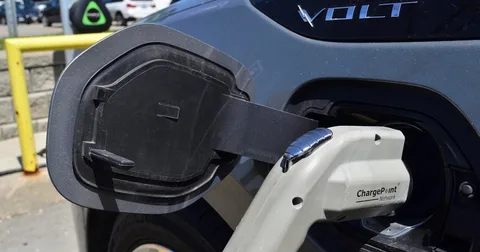
Okinawa Prefecture's EV (electric vehicle) subsidy has a design that is rare even nationwide. The prefectural subsidy is limited to residents of remote islands and depopulated areas: 150,000 yen for the EV itself — but 250,000 yen if the EV is manufactured within the prefecture, a local-production bonus. Half of the cost of shipping the vehicle by sea is also subsidized (up to 50,000 yen). Urban areas on the main island, such as Naha City, are outside the prefectural program, and Naha City has no subsidy of its own. Meanwhile, Miyakojima City runs a linked program worth two-fifths of the national CEV subsidy amount (up to 340,000 yen). This article sorts out how to build your stack by area.
Update (September 20, 2026): Miyakojima City reached its budget cap and closed the "electric vehicles etc." category, while the V2H category is still accepting applications (city page, as of August 24, 2026).
Think of Okinawa's EV Subsidies as a "Three-Tier" System
CEV Subsidy (the main purchase support)
A national subsidy available to both individuals and corporations. The FY2025 supplementary-budget round (registrations from April 2026) offers the largest amounts, such as up to 1.3 million yen for EVs.
Islands/depopulated areas only, plus 250,000 yen for locally made EVs
Limited to residents of remote islands and depopulated areas: 150,000 yen for EVs (250,000 yen for EVs made in the prefecture), plus half of shipping costs and 150,000 yen for V2H. Urban areas such as Naha City are not covered.
Miyakojima City: linked to the national CEV, up to 340,000 yen
Miyakojima City pays 2/5 of the national CEV subsidy amount (up to 340,000 yen); purchases must go through dealers in the city. Naha City has no subsidy of its own.
[National] CEV Subsidy under the FY2025 Supplementary Budget (registrations from April 2026; the main pillar)
"Up to 1.3 million yen" is a cap. The subsidy amount is set per model based on evaluations such as the vehicle's environmental performance. Applications close once the budget runs out. On September 4 the secretariat announced that it expects to stop accepting applications around early to late December 2026 (applications are taken in order of arrival, and intake ends the day before the budget is reached; secretariat notice, PDF, in Japanese). Subsidized vehicles carry a mandatory holding period of, in principle, 4 years; disposing of the car within that period may require repayment. Check the exact subsidy amount for the car you plan to buy in the figures published by the Next Generation Vehicle Promotion Center.
For the full picture of the CEV subsidy and the situation nationwide, see our guide to EV subsidies in all 47 prefectures.
[Okinawa Prefecture] Remote Islands and Depopulated Areas Only — a 100,000 Yen Local-Production Bonus for EVs Made in the Prefecture
Okinawa Prefecture's "EV Adoption Promotion Subsidy for Remote Islands and Depopulated Areas" (FY Reiwa 8) covers individuals with resident registration in areas designated under the Okinawa Promotion Special Measures Act or the Depopulated Areas Act.
- EV itself: 150,000 yen (250,000 yen for EVs manufactured in the prefecture — a local-production bonus rare even nationwide)
- Sea shipping of the vehicle: half the cost (up to 50,000 yen)
- Charging equipment 50,000 yen; V2H 150,000 yen (as generous as the vehicle subsidy itself)
- Application periods: Round 1, June 1 to October 30, 2026; Round 2, November 16, 2026 to March 15, 2027
Urban areas on the main island, such as Naha City and Urasoe City, are outside the covered areas. There is no bundled requirement such as solar panels.
[Municipalities] Miyakojima City Links to the National CEV; Naha City Has No Subsidy
| City | FY2026 status |
|---|---|
| Miyakojima City | EV category closed in August 2026; V2H still open (city page: "as of August 24, 2026"). Originally: for EVs and similar vehicles, two-fifths of the national CEV subsidy amount (up to 340,000 yen); for V2H, one-fifth of the purchase price (up to 120,000 yen). Purchases and leases must go through dealers in the city (from FY Reiwa 8); applications must be submitted in person at the city hall counter. Accepted until February 26, 2027 |
| Naha City | No EV purchase subsidy for individuals (confirmed by the city's official response). For Naha residents, the pillars are the national CEV subsidy and automobile tax reductions |
Miyakojima City's linked program is designed so that "the larger the national subsidy for a model, the larger the city subsidy." For a car with a national CEV subsidy of 850,000 yen, the city adds 340,000 yen (the cap), for a potential total on the order of 1,190,000 yen.
Also Check EV "Taxes" (Automobile Tax Reductions)
Separately from subsidies, the environmental performance levy of the automobile tax was abolished on March 31, 2026, and it is not charged on vehicles acquired on or after April 1, 2026 (Tokyo Metropolitan Government Bureau of Taxation, in Japanese). For EVs, the following year's automobile tax (type-based levy) is reduced by roughly 75% under the green tax special measure. For details, see EV taxes and the 2026 automobile tax reform.
Are Subsidies Taxable?
EV subsidies received by individuals are treated as occasional income (ichiji shotoku). Because there is a special deduction of 500,000 yen per year, no tax is due if this and your other occasional income total 500,000 yen or less for the year. National and local subsidies combined usually stay within this limit, but be careful about the total in a year when you receive multiple large subsidies. Business use is treated differently, so consult a tax accountant or similar professional.
What to Do Today
What to do today
- Check the national CEV subsidy amount for your candidate models in the Next Generation Vehicle Promotion Center's list (the amount for your specific car, not "up to 1.3 million yen")
- Search your municipality's official website for "EV subsidy"; in Okinawa, check whether your area is covered (remote island or designated depopulated area) and the remaining budget and application status
- Build your application schedule working backward from your delivery date (check three things: registration date, application deadline, and budget exhaustion)
FAQ
Q. I live in Naha City. Can I use the prefectural subsidy?
A. No. The prefectural subsidy is limited to residents of remote islands and designated depopulated areas; urban areas on the main island, such as Naha City and Urasoe City, are not covered. Naha City has no subsidy of its own either, so your pillars are the national CEV subsidy (up to 1.3 million yen for EVs) and automobile tax reductions.
Q. What does "250,000 yen for EVs made in the prefecture" mean?
A. If you buy an EV manufactured within Okinawa Prefecture, the usual 150,000 yen subsidy is increased to 250,000 yen as a local-production bonus. Check the eligible models on the prefecture's official page.
Q. How much can I get from Miyakojima City's subsidy?
A. Two-fifths of the national CEV subsidy amount (up to 340,000 yen). It is a linked program in which a larger national subsidy for your model means a larger city subsidy, and it requires purchasing or leasing through a dealer in the city (from FY Reiwa 8).
Q. What is the shipping subsidy?
A. It covers half of the cost of shipping the vehicle by sea to a remote island (up to 50,000 yen). Because buying an EV on a remote island means paying the shipping cost out of pocket, this makes a real difference.
Reference Links (Sources)
Note: Subsidy amounts, requirements, and application status reflect information as of August 2026. Programs may end early depending on budget consumption. Always check the latest information on each official website before applying.